 admin
adminLeadership is not just about strategy—it’s about sustainability. And that starts with YOU.
We often admire great leaders for their vision, resilience, and ability to navigate uncertainty. But behind the scenes, many leaders are exhausted, overwhelmed, and running on fumes. The pressure to perform, make tough decisions, and support others can take a serious toll—yet, mental wellness is often the last thing on the priority list.
But here’s the truth: A leader’s well-being isn’t just personal—it’s organizational.
The Hidden Cost of Ignoring Mental Wellness
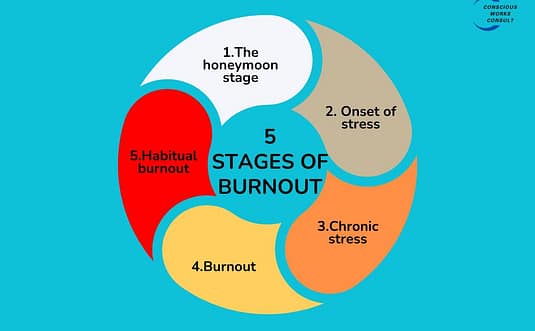
If you’re constantly stressed, anxious, or burned out, your team feels it too. Your leadership sets the tone for workplace culture, and when mental wellness isn’t prioritized:
🔻 Productivity suffers – You’re too drained to be creative, make sharp decisions, or inspire action.
🔻 Team morale declines – People mirror their leaders. If you’re constantly in survival mode, your team will be too.
🔻 Burnout spreads like wildfire – If employees see leaders neglecting their mental health, they assume it’s the norm.
🔻 Retention becomes a challenge – High stress and toxic work environments push great talent away.
The bottom line? Unhealthy leaders create unhealthy workplaces.
Alice Njambi
The Shift: From Survival to Sustainable Success
The best leaders don’t just push through stress—they lead with resilience. They understand that mental wellness isn’t a luxury; it’s a leadership strategy.
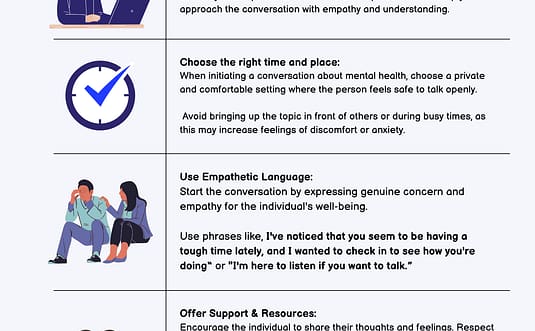
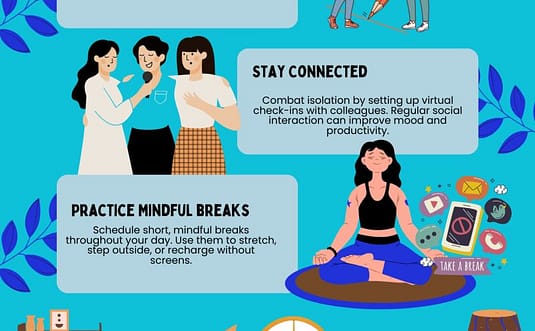
✅ They model self-care – They take breaks, set boundaries, and normalize mental wellness conversations.
✅ They create psychological safety – Their teams feel supported, not pressured, to overwork.
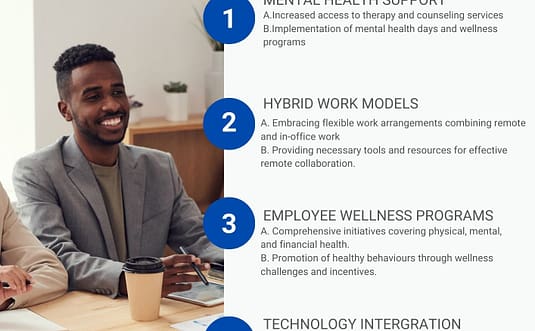
✅ They invest in mental health resources – Whether it’s coaching, wellness programs, or training, they equip their teams to thrive.
✅ They lead with balance – Because they know a thriving leader creates a thriving workplace.
Ready to Lead with BALANCE?
If you want to sustain success without burnout, start with BALANCE:
🟢 Baseline Assessment – How’s your mental health right now? 🟢 Awareness & Education – Understand stress, burnout, and emotional resilience. 🟢 Lifestyle & Routine – Small habits = big impact. 🟢 Actionable Goals – Set realistic steps toward well-being. 🟢 Network & Support – Leadership is lonely without the right people. 🟢 Coping Strategies – Learn stress management techniques that work for you. 🟢 Evaluation – Regular check-ins to sustain long-term well-being.
Mental wellness isn’t just about feeling good—it’s about leading effectively.
What’s one way you prioritize your mental health as a leader? Drop your thoughts in the comments—I’d love to hear from you.