
 admin
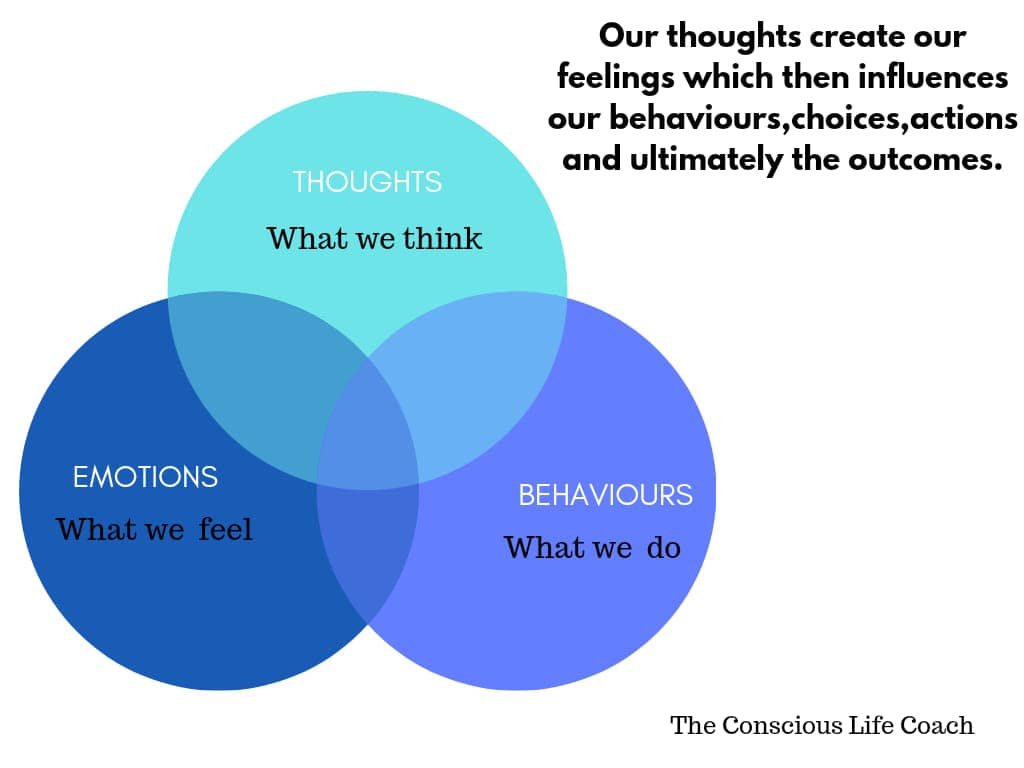
adminUnderstanding the link between thoughts and emotions is essential for navigating our inner world effectively. These two aspects of our mental landscape are deeply intertwined, influencing each other in profound ways
The Connection: Our thoughts and emotions are like two sides of the same coin, constantly interacting and shaping our experiences. Consider a common scenario: You have an important presentation coming up. If you start thinking negatively—”I’m going to mess up,” or “I’m not good enough”—your emotions are likely to follow suit, leading to feelings of anxiety or inadequacy.
Positive Thoughts, Positive Emotions: Imagine receiving praise from your boss for a job well done. Positive thoughts like “I’m capable” or “I worked hard for this” can evoke feelings of pride, satisfaction, and happiness.
Negative Thoughts, Negative Emotions: Conversely, if you receive criticism, thoughts such as “I’m a failure” or “I’ll never get it right” may trigger emotions like sadness, frustration, or even anger.
Rumination Loop: Sometimes, our thoughts can spiral into a loop, intensifying our emotions. For instance, dwelling on a past mistake might lead to feelings of guilt or regret, reinforcing the negative thought pattern.
Impact on Behavior: Our thoughts and emotions not only influence how we feel but also impact our actions. Going back to the presentation example, if you’re overwhelmed by anxiety (emotion) due to negative thoughts, you might procrastinate or avoid preparing altogether (behavioural impact).
Managing Thoughts and Emotions: Recognizing the connection between thoughts and emotions is the first step toward managing them effectively. Techniques like cognitive reframing—challenging negative thoughts and replacing them with more realistic or positive ones—can help regulate emotions. Similarly, mindfulness practices encourage observing thoughts and emotions without judgment, promoting greater awareness and control.
Thoughts and emotions are intertwined aspects of our mental landscape, constantly influencing each other and shaping our experiences. By understanding this connection and employing strategies to manage our thoughts, we can cultivate healthier emotions and navigate life’s challenges more effectively.
